everything you need to know about CNC Machining
The Process of Aluminum Castings: From Design to Reality
The aluminum casting process is a critical method for creating detailed components in a wide range of industries. It involves transforming molten aluminum into exact configurations through well-known processes like die, sand, and investment casting. Every technique provides distinct advantages depending on the required detail and volume. Understanding the nuances of this process is vital for manufacturers seeking quality and efficiency. However, challenges such as defects and material selection continue to be important factors in reaching excellent performance.
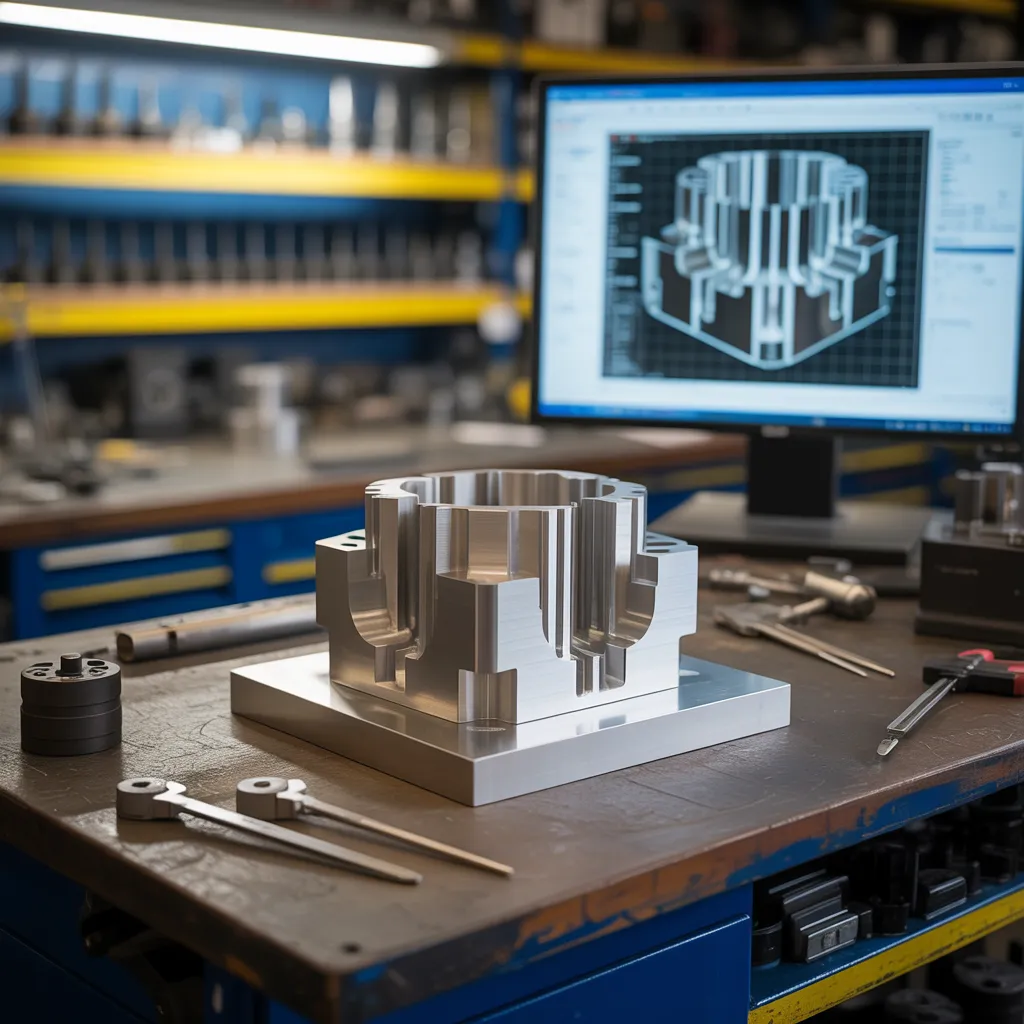
A Guide to Aluminum Casting: What You Need to Know and Why It Counts
Aluminum casting is a vital production process that transforms molten aluminum into various shapes and components. This process plays a crucial role in diverse industries, including automotive, aerospace, and consumer goods, due to aluminum's advantageous characteristics such as its lightweight nature, durability, and corrosion resistance. By shaping aluminum into complex configurations, producers can create components that satisfy particular design and performance criteria.
The significance of aluminum casting resides not only in its capacity to produce complex geometries but also in its efficiency. The method commonly decreases raw material consumption and enables fast manufacturing cycles, which is vital in a highly competitive industry. Additionally, aluminum castings can be easily recycled, advancing eco-friendly practices in production processes. Comprehending aluminum casting is essential for companies aiming to innovate and optimize product quality, establishing it as a cornerstone in contemporary production methodologies.
Fundamental Aluminium Foundry Approaches: Sand, Investment, and Die
Casting methods serve a vital function in forming aluminum into usable parts, with three primary methods dominating the industry: sand casting, die casting, and investment casting. Sand casting utilizes a sand-based mold, enabling the production of intricate shapes and dimensions, rendering it perfect for limited-quantity production. This approach is affordable and flexible, even though it may produce a coarser surface finish.
Die casting, on the other hand, utilizes high-pressure injection to push molten aluminum into a metal mold, yielding accurate dimensions and refined surfaces. This technique is suited for high-quantity manufacturing, delivering superior repeatability and long-lasting durability.
The investment casting process, commonly referred to as lost-wax casting, requires the creation of a wax pattern encased in a ceramic mold. After the wax has been melted out, molten aluminum is introduced into the ceramic shell, generating intricate designs with fine detail. Each technique offers specific strengths, addressing diverse industrial needs and uses in the aluminum casting sector.
What Takes Place During the Aluminum Casting Process?
The aluminum casting process starts with heating the metal to high temperatures until it transforms into a liquid state. This liquefied aluminum is then introduced into a pre-made mold, which can be made from various materials according to the casting technique utilized. As the aluminum is introduced into the mold, it takes on the desired shape. When the metal has fully cooled and solidified, the mold is taken away, exposing the finished aluminum casting.
Following the casting process, the component is subjected to a number of post-processing steps, such as machining, trimming, or surface treatment, to attain the required specifications and surface quality. Defect inspection including air pockets or inclusions is essential at this phase to ensure the integrity of the final product. The complete manufacturing process necessitates precise temperature control and timing to deliver peak results, permitting the comprehensive article final aluminum casting to meet specific engineering requirements and performance standards.
How to Choose Materials for Aluminum Castings
Identifying the right materials for aluminum casting applications involves a careful analysis of various aspects. Essential aspects involve the core qualities of the material options, particular application demands, and cost-effectiveness. Recognizing these elements is essential for achieving maximum results and effectiveness in aluminum casting operations.
Material Properties Summary
Choosing the correct components for aluminum castings is essential for achieving peak performance and durability of the final product. Numerous aluminum alloys are accessible, each featuring distinct properties such as strength, corrosion resistance, and thermal conductivity. Popular selections consist of 356 and 319 alloys, valued for their outstanding casting characteristics and mechanical properties. The decision-making process must evaluate factors like the intended application, environmental conditions, and weight requirements. Moreover, the melting point and fluidity of the aluminum alloy serve a significant purpose in the casting process, influencing the ability to fill intricate molds. As a result, comprehending these alloy characteristics aids manufacturers in selecting the best alloy, leading to improved durability and performance of the aluminum castings.
Application-Focused Considerations
When assessing materials for aluminum castings, it is critical to match the choice to specific application requirements. Considerations including mechanical strength, corrosion resistance, and thermal conductivity play critical roles in determining the most suitable alloy. As an example, components operating in harsh environments may require enhanced resistance to corrosion, while those subjected to mechanical stress might be better served by alloys with enhanced strength. Moreover, considerations regarding weight and thermal properties are essential for applications in the automotive and aerospace sectors. Understanding the operational conditions and performance expectations allows engineers to identify the ideal alloy, securing both reliability and long-term performance. In the end, the right material selection improves performance while supporting the overall success of the casting application.
Cost-Effectiveness Factors
A careful assessment of cost-effectiveness is critical for optimizing material selection in aluminum castings. Variables impacting this analysis include raw material costs, processing costs, and the intended application. Premium-grade alloys might carry higher initial costs but can yield long-term savings through lighter construction and improved longevity. Furthermore, design complexity and production volume play critical roles; less complex structures often minimize manufacturing costs, while higher volumes can justify the investment in advanced materials. It is also important to assess the trade-offs between performance and cost, guaranteeing that the selected materials meet both financial and operational needs. At the end of the day, a balanced approach that matches project specifications will enhance overall cost-effectiveness in aluminum casting operations.
Advancements in Aluminum Casting Technology
Breakthroughs are revolutionizing the domain of aluminum casting processes, fostering efficiency and sustainability in manufacturing processes. One notable trend is the integration of advanced automation and robotics, which boost precision while reducing operational errors. Additionally, the utilization of 3D manufacturing technologies is becoming increasingly popular, enabling complex geometries that standard approaches fail to accomplish. These innovations not only reduces production timelines but also decreases production waste, advancing eco-friendly initiatives.
The use of simulation software for casting design has also become prevalent, helping manufacturers streamline operations before physical production. Additionally, recycling and closed-loop systems are becoming more prominent, supporting resource conservation and lowering environmental footprint. Enhanced alloy compositions are being developed to enhance durability and corrosion resistance, serving a wide range of industrial applications. As these advancements progress, the aluminum casting industry advances toward a more sustainable and forward-thinking future, steadily elevating product standards and operational performance.
Addressing Common Challenges in Aluminum Casting
During the aluminum casting process, numerous defects may occur, impacting the quality of the final product. Identifying these common issues is essential for manufacturers striving to preserve high standards. Practical solution approaches can significantly reduce these issues, ensuring improved casting outcomes.
Common Defects Overview
Many imperfections can arise during the aluminum casting process, affecting the performance and quality of the end product. Common issues include porous defects, which results from trapped gas within the metal, leading to weak spots. Shrinkage-related flaws occur as the aluminum solidifies and shrinks, which can lead to hollow cavities. Misruns happen when the metal does not fully fill the mold, while cold shut defects form where dual flows of liquid metal do not properly bond. Moreover, surface defects, such as sand inclusion or rough finishes, can negatively affect both appearance and performance. Being aware of these issues is crucial for manufacturers, as they can substantially diminish both structural strength and functional performance in the finished uses of aluminum castings.
Proven Solutions Frameworks
While challenges in aluminum casting are commonplace, utilizing effective solutions can considerably boost product quality. Identifying root causes of common defects, such as porosity and shrinkage, is essential. To illustrate, adjusting pouring temperatures can minimize gas entrapment, while employing a controlled cooling rate helps reduce shrinkage. Furthermore, utilizing high-quality raw materials ensures consistency and lowers the risk of impurities. Routine maintenance of molds and equipment avoids wear-related problems, additionally enhancing casting integrity. Applying advanced approaches, such as vacuum or pressure casting, can further tackle specific challenges. Lastly, cultivating a culture of continuous improvement through training and feedback enables teams to adapt and innovate, consequently resulting in superior-quality aluminum castings and greater customer satisfaction.
Common Questions and Answers
What Are the Environmental Consequences of Aluminum Casting?
Aluminum casting considerably impacts the environment through greenhouse gas emissions, energy consumption, and natural resource depletion. Moreover, the procedure generates waste and is known to cause environmental contamination, affecting the natural environment and human well-being.
How Can I Maintain Quality Standards in My Aluminum Castings?
To secure quality in aluminum castings, manufacturers must apply strict inspection procedures, utilize superior materials, preserve accurate heat management during the melting process, and adopt advanced approaches like computational modeling for design verification and defect avoidance.
What Industries Commonly Use Aluminum Castings?
Aluminum castings are commonly utilized in various industries, including aerospace, automotive, electronics, and consumer goods. Their durable and lightweight nature make them ideal for applications requiring durability and efficiency in manufacturing processes.
Is It Possible to Recycle Aluminum Castings?
Indeed, aluminum casting products are highly recyclable. The recycling procedure retains the material's properties, establishing it as a green solution for a wide range of industries. Reclaimed aluminum is frequently utilized for additional casting purposes, reducing environmental impact.
What Safety Protocols Should Be Followed During Aluminum Casting?
Throughout aluminium casting, safety measures include wearing protective gear, maintaining adequate airflow, keeping machinery in good condition, utilizing heat-proof equipment, and putting emergency plans in place. Consistent instruction and adherence to safety guidelines reduce hazards connected to elevated-heat processes.